WHO's New Dementia Prevention Guidelines: Small Changes, Big Impact

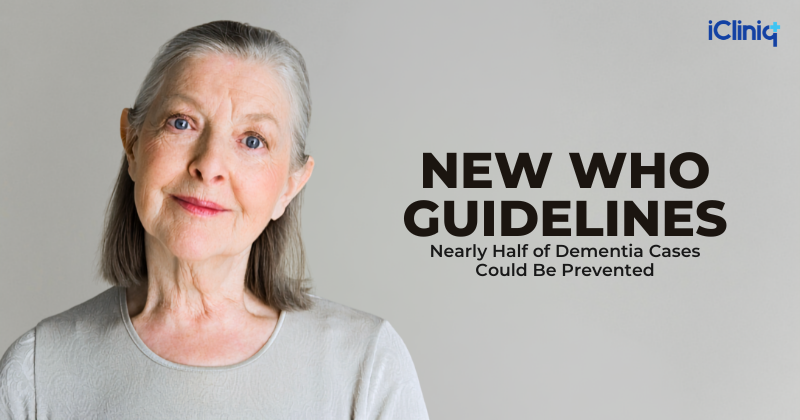
New WHO Guidelines: Nearly Half of Dementia Cases Could Be Prevented
Dementia affects more than memory. It gradually changes the way a person thinks, communicates, and performs everyday activities. More than 57 million people worldwide are currently living with dementia, and that number continues to grow.
The encouraging news is that the World Health Organization (WHO) now estimates that up to 45% of dementia cases could be prevented or delayed by addressing risk factors that can be changed.
What Increases the Risk?
Several everyday factors can affect long-term brain health. Smoking, excessive alcohol use, physical inactivity, social isolation, and long-term exposure to air pollution have all been linked to a higher risk of dementia. Medical conditions such as high blood pressure, diabetes, and high cholesterol also play an important role.
The earlier these factors are managed, the greater the potential benefit.
Simple Habits That Protect the Brain
The updated WHO guidelines recommend staying physically active, eating a healthy diet, avoiding tobacco, limiting alcohol, and remaining socially connected. Keeping the brain engaged through learning, reading, puzzles, or other mentally stimulating activities may also help maintain cognitive function.
Managing chronic health conditions is equally important. Regular health checkups and following treatment plans for blood pressure, diabetes, or cholesterol can contribute to better brain health over time.
Not Every Supplement Helps
Many people turn to vitamins or omega-3 supplements hoping to protect their memory. However, the WHO does not recommend taking vitamin B, vitamin E, multivitamins, or omega-3 supplements for dementia prevention unless a deficiency has been diagnosed, as current evidence does not show clear benefits.
The Bottom Line
There is still no cure for dementia, but prevention is becoming increasingly possible. Looking after your brain doesn't require dramatic changes. Staying active, controlling chronic diseases, maintaining social connections, and making healthier daily choices may lower your risk and help you remain independent for years to come.