Smart Technology in Dementia Care: What to Know

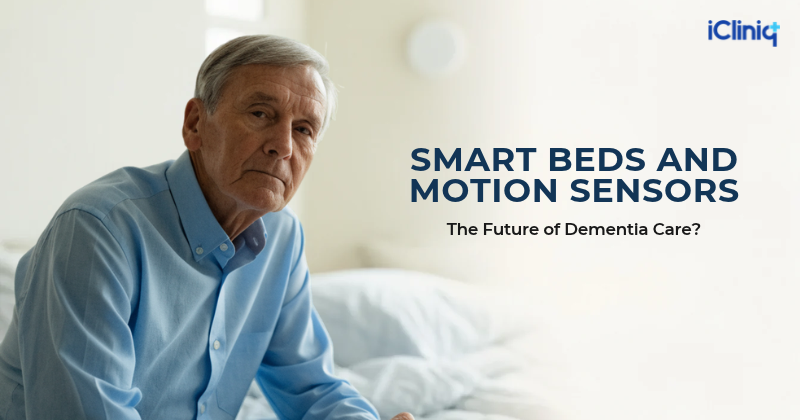
A person with dementia needs extra care 24/7 because there is always a risk of falling, forgetfulness, such as forgetting to eat, getting lost in the streets, or becoming unwell in the absence of a caretaker.
To overcome these problems, technology has now offered special equipment in dementia care.
This equipment includes smart beds, motion sensors, smartwatches, and other devices. All these devices have been tested in trials in people with dementia to test if these devices are helping them to stay safe.
How Can Smart Beds Help?
Smart beds use sensors, which are placed inside the mattress. These sensors collect readings of heart rate, breathing, movement, and sleeping patterns. Any sudden change in these readings alarms that something is unusual or there might be some change in the daily routine.
Although these devices cannot diagnose dementia, infections, or other illnesses, they can provide important and critical information that doctors can consider for their medical assessments.
What Can Motion Sensors Detect?
Motion sensors can detect movements and any changes in the routine. For example, a door sensor may give an alarm to a caregiver if someone leaves the home during the night. Similarly, other sensors can detect unusual movements that could indicate a fall.
Some sensors can even detect unusual activities in places like the kitchen, which can alert the caregiver.
Could This Help People Stay Independent?
Yes, these devices have the potential to give the dementia patient the option to stay at home instead of moving into a day care facility. However, this can happen only with strong support and proper monitoring from the caregivers. The biggest advantage is the early alerts that these devices provide, which give the caregiver an alert before the onset of any serious problem.
Also, it can offer peace of mind to the caregiver.
But What About Privacy?
Yes, there is a concern regarding privacy.
People may not feel comfortable knowing that technology is collecting information about their daily activities. Questions about consent, privacy, data security, and who can see the collected information need careful attention.
Some systems work without cameras or recording conversations. This may make them more comfortable for people who want to maintain greater privacy at home.
Is This Really the Future?
Smart technology is not going to replace doctors, nurses, caregivers, or family members. It can provide another layer of support.
The technology is still being studied, and more evidence is needed to understand how useful it is, how much it costs, and what limitations it may have in everyday dementia care.
The future of dementia care may not be about replacing human care with machines. It could be about using technology to notice small changes that may otherwise be missed while helping people stay safe, supported, and independent for as long as possible.