Fasting, But Not So Fast: Does Intermittent Fasting Even Work?

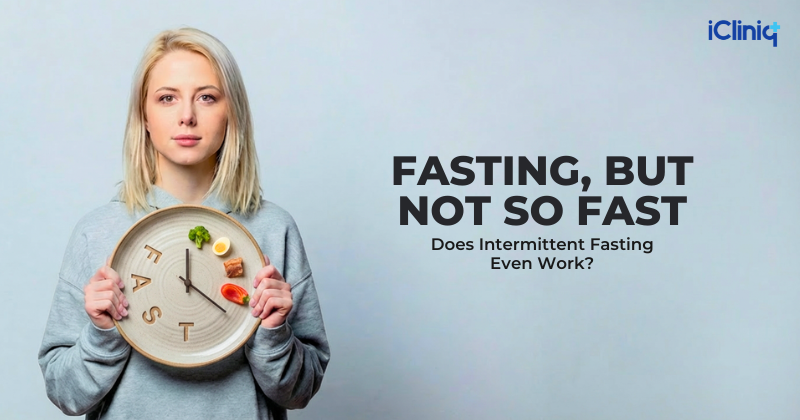
Intermittent Fasting is one of the most popular trending ways to lose weight, increase metabolism, or live longer, but many are left wondering if it really works or if it is just another phrase in the dieting world. Intermittent fasting isn’t just about eating less; it’s about timing. New metabolic research shows our insulin sensitivity is naturally higher in the morning and lower at night. That means skipping late-night meals may matter more than skipping breakfast. Your body processes food differently depending on the hour, not just the calories.
It’s Not Magic Fat Burning, It’s Hormone Shifting
Fasting works mainly by lowering insulin levels for longer stretches, which helps the body access stored fat. But recent studies show the effect plateaus if overall calories stay the same. In simple terms, fasting helps structure eating, but it’s not a shortcut that overrides overeating. The quality of food still matters.
Gut Health May Be the Real Winner
Some newer studies are hinting that giving your body longer breaks between meals may actually give your gut a bit of “downtime” to recover. When we constantly snack, the digestive system barely gets a pause. Early research shows that simple time gaps between meals might improve the balance of good bacteria in the gut. And a happier gut can mean better digestion, steadier weight, and less overall inflammation.
It Works Better for Some People Than Others
Fasting doesn’t feel the same for everyone; your age, stress, sleep, and overall health really matter. That’s why copying a fasting routine from social media isn’t always a great idea. What works amazingly for your friend might leave you moody, tired, or off-balance. The best approach is one that actually fits your body and your daily life.
Sustainability Beats Strict Schedules
Recent long-term studies show commitment is more significant than how long precisely you fast for. For most, a traditional overnight fast lasting 12 to 14 hours may provide similar metabolic advantages as more inflexible 16:8 diets. The ideal diet is one that you can hold onto without obsession or fatigue, since health improves with consistency, not extremes.
Intermittent fasting isn’t a miracle fix, and it’s definitely not for everyone. It can be useful, but only if it fits comfortably into your routine without making you miserable. It’s about finding a simple eating routine that keeps you feeling good and fits your everyday life.