Espresso Yourself, But Not Too Much: When Coffee Starts Stressing Your Heart

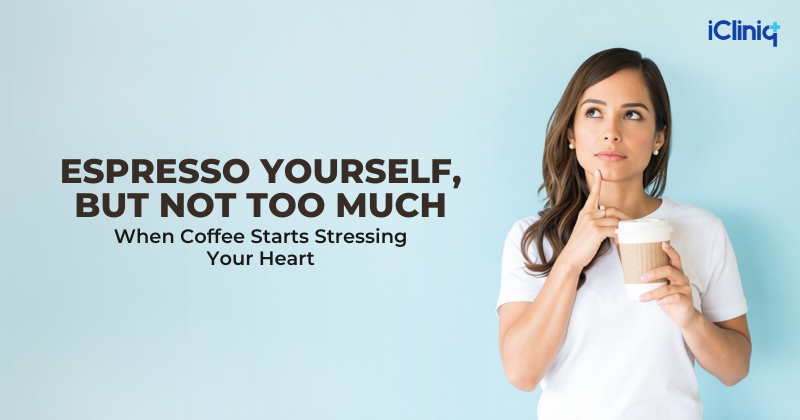
That first sip of coffee feels like a warm hug, but sometimes, your heart feels it more than your brain does. When caffeine crosses your personal limit, the buzz can turn into stress without warning.
Most people think coffee only wakes the brain, but caffeine reaches the heart within minutes. It blocks adenosine, a calming chemical, making the heart beat faster and harder. New cardiac monitoring studies show that even regular coffee drinkers can get temporary rhythm changes after strong doses. This is why palpitations often appear before you feel jittery.
Why “Normal” Coffee Can Feel Too Strong Some Days
Caffeine tolerance isn’t stable; it changes with sleep, stress, hormones, and hydration. On poorly slept or dehydrated days, the same cup of coffee can spike heart rate and blood pressure. Recent research highlights that cortisol, i.e., the stress hormone, amplifies caffeine’s cardiac effects. That’s why coffee hits harder during stressful weeks.
Hidden Caffeine Is Sneaking Into Your Daily Routine
Coffee isn’t the only culprit; energy drinks, cold brews, pre-workout powders, and even some pain relievers contain caffeine. Many newer cold brews have nearly double the caffeine of traditional coffee. People unknowingly stack caffeine throughout the day, pushing the heart into overstimulation. This “caffeine layering” is now a rising concern in cardiology clinics.
When Coffee Triggers Palpitations
At most times, having a racing heart after coffee is no big deal, and it goes away with hydration and rest. If you have these feelings too often, you have to pay attention. Your body's rhythm might be changing due to your sensitivity to caffeine. If you continue experiencing these symptoms even if you have only a small amount of caffeine, you may need to limit your use of caffeine.
How to Enjoy Coffee Without Stressing Your Heart
Reduce heart stresses by drinking smaller cups, choosing lighter roasts, or opting for half caffeine, which will reduce heart strain greatly. Consuming coffee after breakfast also slows caffeine absorption, preventing peaks. New guidelines state that spacing caffeinated beverages more than six hours from bedtime may help keep your heart in a stable rhythm all night long. Caffeine is not the enemy; it's all about when and how much you consume.
Coffee isn’t the enemy, but overdoing it can quietly strain your heart and nervous system. Knowing your body’s signals lets you enjoy your brew without letting it brew trouble.