Understanding Holiday Heart Syndrome: When Celebrations Trigger a Heart Flutter

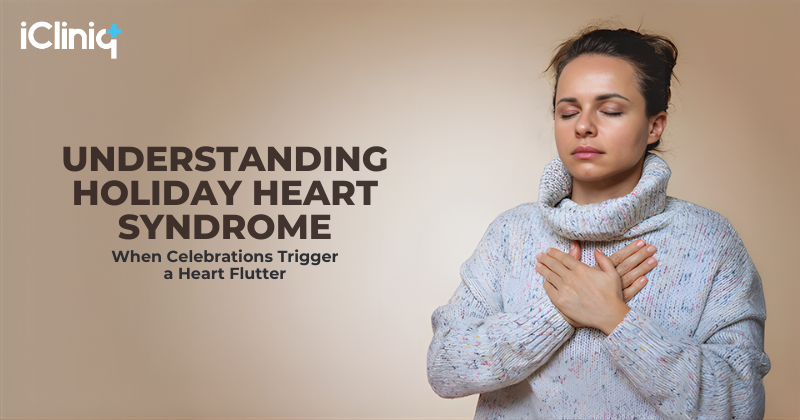
Holidays involve celebrating, having fun, and eating a lot; however, there are also times when some people experience an irregular heartbeat. Holiday Heart Syndrome describes the short-term impact that sudden lifestyle changes can have on the heart’s rhythm.
Why Even Healthy Hearts Can Misfire During Festivities
You don’t need a prior history of heart disease to experience Holiday Heart Syndrome. It can occur when someone is exposed to an unusual combination of emotional excitement, lack of sleep, travel fatigue, social engagement, or excessive alcohol intake. This sudden and severe overload on the heart’s electrical system can cause the heart to beat rapidly without warning, often during moments of extreme happiness or celebration.
Alcohol’s Effect Goes Beyond “Too Much Drinking”
It is not only the amount of alcohol consumed but also the pace of consumption and the context in which drinking occurs. Short-term rapid consumption may disrupt natural electrolyte balance in the body and overstimulate the atria of the heart. When combined with dehydration from exercise, eating a large meal, or poor sleep quality, even moderate alcohol intake can lead to abnormal heart rhythms.
The Hidden Role of Holiday Sleep Disruption
Being groggy during the holidays is not the only issue that comes from seasonal sleep loss. Irregular sleep patterns, late nights, travel-related sleep deprivation, and fragmented sleep can reduce vagal tone, the body’s natural calming effect on heart-rate regulation. This reduction may lead to more frequent flutters or skipped heartbeats for several days following festive gatherings.
Festive Foods Influence Heart Rhythm
When you eat a large, high-carb, high-salt meal, the body retains water, placing excess strain on the heart and raising blood pressure. This increased tension can promote arrhythmia by stretching the upper chambers of the heart. Eating a heavy meal just before bedtime creates additional strain because both the digestive and cardiovascular systems are forced to work harder than usual.
When a Temporary Flutter Should Not Be Ignored
Most rhythm problems brought on by holiday factors resolve within one or two days. However, to ensure these issues do not become recurrent, with or without breathlessness, dizziness, or chest discomfort, seeking appropriate evaluation may be beneficial. Detecting early warning signs can help prevent short-term disturbances from evolving into longer-term concerns.
Holiday Heart is typically reversible, but it serves as a valuable reminder that the body responds to heavier consumption, especially when it involves cardiac stress. Celebrating mindfully allows you to enjoy the season as much as possible without placing unnecessary strain on your heart.