The Hidden World Inside Classroom Dust: How Bacteria May Affect Children’s Lung Health
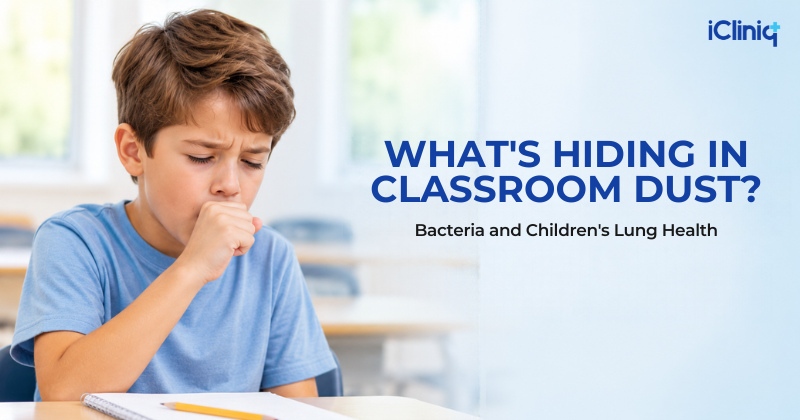
When children walk into a classroom, they are surrounded by books, desks, chairs, and learning materials. But there is another invisible world around them that often goes unnoticed: the microorganisms present in indoor dust.
A new study suggests that bacteria found in classroom dust may be linked to reduced lung function in children.
The findings raise new questions about how indoor environments, where children spend several hours every day, may influence their respiratory health.
What Did Researchers Study?
Researchers investigated whether microorganisms present in classroom dust were associated with children’s lung function.
They collected dust samples from classrooms and analyzed the bacterial communities present. The researchers then compared these findings with lung function measurements from children to understand whether certain types of bacterial exposure were connected with changes in breathing ability.
Classroom Dust Is More Than Just Dirt
Dust inside classrooms can contain a mixture of materials collected from both indoor and outdoor environments.
It may include:
- Tiny particles from soil and outdoor air.
- Fibers from clothes, carpets, and furniture.
- Skin cells.
- Microorganisms such as bacteria and fungi.
While many bacteria are harmless and naturally present in our surroundings, certain types of microbial exposure may influence respiratory health depending on the amount, type, and individual sensitivity.
The Link Between Classroom Bacteria and Lung Function
The study found that children exposed to higher levels of certain bacteria in classroom dust had lower lung function measurements.
Lung function describes how effectively the lungs move air in and out of the body. Good lung development during childhood is important because the lungs continue growing and changing throughout early life.
However, researchers emphasize that the findings show an association and do not confirm that classroom bacteria directly cause reduced lung function.
Why Does Indoor Air Matter for Children?
Children may be more affected by indoor air quality because their lungs are still developing.
They also:
- Spend many hours inside schools and other indoor spaces.
- Breathe more air compared with their body size than adults.
- May be more sensitive to allergens and environmental irritants.
Poor indoor air quality has previously been linked to respiratory problems such as coughing, wheezing, and worsening asthma symptoms.
A Classroom’s Air Quality May Influence More Than Comfort
A classroom environment affects more than just concentration and comfort. The air children breathe every day may also play a role in their overall health.
Maintaining healthier indoor spaces may involve:
- Improving ventilation to allow fresh air circulation.
- Reducing excessive dust accumulation.
- Preventing moisture buildup that encourages microbial growth.
- Regular maintenance of ventilation and air-conditioning systems.
The goal is not to remove all microorganisms because many are part of normal environments. Instead, the focus is creating a balanced indoor environment that supports health.
What Can Parents Watch For?
Parents should pay attention to symptoms that may suggest breathing difficulties, such as:
- Frequent coughing.
- Wheezing.
- Shortness of breath.
- Chest tightness.
- Breathing problems that worsen in certain environments.
Children with asthma or allergies may be especially sensitive to indoor triggers and should follow their healthcare provider’s recommendations.
A Simple Takeaway
Children spend a large portion of their day inside classrooms, making indoor air quality an important part of a healthy learning environment.
A new study suggests that bacteria found in classroom dust may be associated with reduced lung function in children. More research is needed to understand the long-term impact, but improving ventilation and maintaining cleaner indoor spaces may help support healthier environments for children.
The air children breathe while learning may matter more than we realize.