
Swine Flu in India: Symptoms, Risks, and Prevention

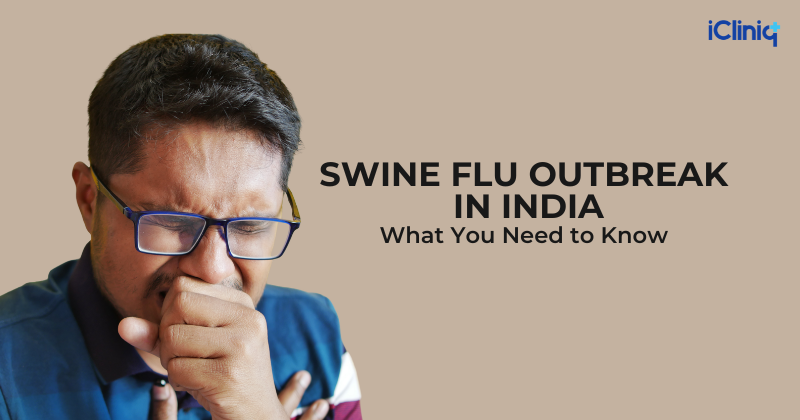
Swine flu is back in the news in India, and understandably, that can make people nervous. But don’t panic; there’s something you need to know.
Health authorities say the H1N1 viruses seen in India now are consistent with seasonal flu, and surveillance has not found a new or unusual strain of the virus. However, there are an increasing number of cases being closely monitored in some areas.
So, what should you really look for?
What is the swine flu?
Swine flu is the popular name for infection with Influenza A(H1N1). H1N1 is associated with the 2009 pandemic but has now joined the ranks of seasonal influenza viruses circulating among people.
It is mainly spread by respiratory droplets when an infected person coughs, sneezes, talks, or breathes.
Identify the Symptoms
At first, H1N1 may look like ordinary flu. Common symptoms include fever, cough, sore throat, headache, body aches, weakness and tiredness. Some people may experience a runny or blocked nose, loss of appetite, nausea, vomiting or diarrhea.
Symptoms vary from person to person. That’s why it’s important to pay attention to how you feel.
Who needs extra attention?
Otherwise healthy people will get better with rest, fluids, and supportive care in most cases. Young children, older adults, pregnant women, People with chronic diseases, and people with weakened immune systems are more vulnerable to more serious illness from influenza. If you are in a higher risk group, do not ignore worsening flu-like symptoms.
When to Seek Medical Attention
If you experience shortness of breath, chest pain, extreme tiredness, confusion, symptoms that won’t go away or get worse, or a serious setback after you were getting better, don’t ignore it.
Antiviral medicines may be offered to some people, especially those at higher risk, and work best when started early. Antibiotics don't treat influenza because influenza is caused by a virus.
What Can You Do To Protect Yourself?
But still, a few precautions matter. Wash your hands often. Cover your mouth and nose during coughing or sneezing. Stay home when you are sick. Stay home while you are recovering.
Good ventilation can also help slow the spread of respiratory infections.
In the present situation awareness is needed, not fear. Monitor for symptoms, protect vulnerable family members, and seek medical advice if symptoms are severe, persistent, or worsening.