India Nearly Beat Malaria, So Why Isn’t Anyone Relaxing Yet?
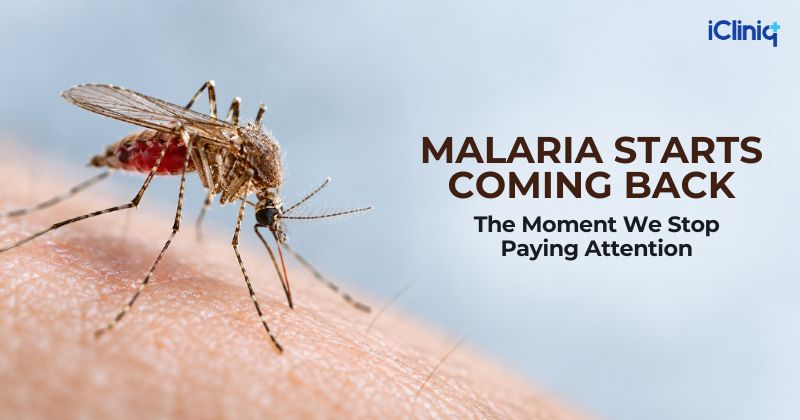
India's malaria story used to be about bringing case numbers down. In 2026, hundreds of districts are reporting zero local malaria cases, and that's a genuine public health milestone worth talking about. But here's what most people don't know: getting to zero isn't the hard part. Keeping it there is. The next chapter has more to do with what happens in homes, neighborhoods, and local communities every single day. India is now targeting complete malaria elimination by 2030, and whether that happens depends on a lot more than government programs.
Zero Cases Doesn't Mean Zero Risk:
A district reporting zero malaria means local transmission has stopped, not that malaria is gone for good. Someone infected in another region can bring the parasite back in, and if mosquitoes are around, transmission can restart. That's why health teams keep showing up even in districts where the case count has been sitting at zero. Hitting zero is one thing; the numbers staying there is a different challenge entirely, and it doesn't happen by stepping back once the milestone is reached.
The Mosquito You Never Notice Is the Real Problem:
Most people picture malaria breeding in dirty drains or large ponds. The truth is messier: a bucket of rainwater sitting on the balcony, an unused flower pot, a rooftop tank without a proper lid. The Anopheles mosquito that spreads malaria bites mostly in the evening and at night, so bed nets still matter even when cases are low. Spending a few minutes every week clearing standing water around the house does more than most people give it credit for.
Waiting Out a Fever Is the Worst Move:
Hoping a fever settles in two or three days is a habit that makes malaria harder to treat. The longer it goes unchecked, the more chance the infection has to reach the liver, brain, or other organs. Fever with chills, sweating, and body aches, especially after travelling to a malaria-prone area, needs a test, not a wait. Early diagnosis changes the whole outcome.
Malaria Prevention Is No Longer Just the Health Department's Job:
India's path to zero didn't happen because of government programs alone, and everyone working in public health knows it. Clean drains, proper waste disposal, water management at construction sites, local reporting all of it adds up. Schools, housing societies, village leaders, and everyday residents are now part of how malaria gets tracked and stopped. The 2030 target doesn't get reached with healthcare workers doing rounds alone. It gets reached when the whole neighborhood is paying attention.
Travel Is One of the Biggest Risks to Keeping Districts Malaria-Free:
As movement across India increases, malaria can travel with people even into districts that have eliminated local transmission. Workers heading into forests, mining sites, or regions where malaria still circulates may pick up an infection without symptoms appearing straight away. If fever develops within a few weeks of travel, telling the doctor exactly where you've been can speed up diagnosis significantly and stop a single imported case from becoming a local cluster.
India has a real shot at eliminating malaria by 2030, and the progress made so far is something that deserves recognition. But the gap between "nearly there" and "done" gets closed by ordinary people doing ordinary things consistently. Emptying standing water, sleeping under a net, getting a fever tested early instead of waiting it out. The 2030 goal isn't just a government target; it's something neighborhoods, families, and individuals are either going to help achieve or quietly undermine. The choice, most of the time, is pretty simple.