
Eczema Throwing a Tantrum? Here’s How to Calm Your Skin Down
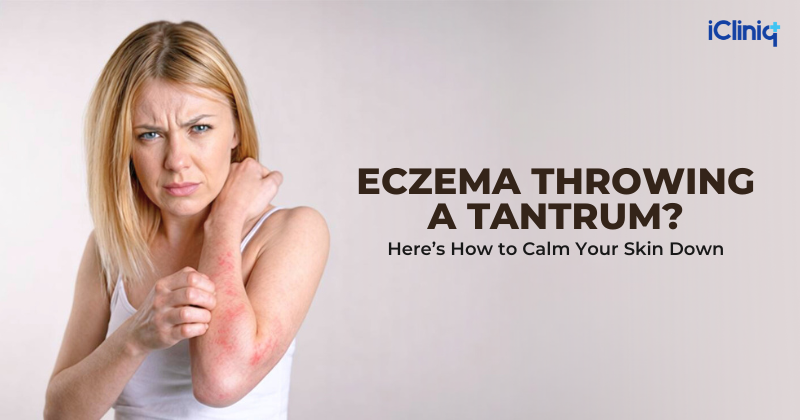
Imagine waking up feeling completely fine. Your skin feels calm, and you may even forget you have eczema. Then suddenly, the itching begins. It is not a small itch. It is a strong, distracting itch that keeps pulling your attention back to your skin. You may start wondering if you ate something unusual, used a new soap, or experienced stress.
Understanding What Your Skin Is Trying to Say
Your eczema is not trying to make your life harder. Your skin is simply very sensitive and trying to protect you. Eczema occurs when the skin barrier loses moisture and becomes dry. Because of this, the skin may feel tight, rough, and itchy. It is almost like your skin is saying, “I need a little help.”
Eczema Is Inflammation, Not Dirt
Many people try to fight eczema flare-ups by using stronger soaps or scrubbing their skin harder. But eczema is not caused by dirt. It is a form of inflammation.
Think of your skin like a sensitive friend who dislikes loud noise or sudden changes. It responds much better to calm, gentle care than to harsh treatment.
Gentle Bathing Habits Matter
Even small daily habits can make a difference. Hot water may feel soothing when your skin is itchy, but it often makes dryness worse afterward. Warm water is a better choice.
Keep baths or showers short and gently pat your skin dry with a towel instead of rubbing it. Treat your skin with the same care you would give your favorite soft hoodie.
Moisturizer: The Quiet Hero of Eczema Care
Moisturizer is often the unsung hero of eczema management. Applying moisturizer right after bathing helps trap moisture in the skin before it evaporates.
Thick creams or ointments usually work better than watery lotions because they form a stronger protective barrier on the skin. Think of moisturizer as a soft protective layer that keeps your skin comfortable and supported.
The Skin–Stress Connection
Your mental health quietly communicates with your skin. Many people notice eczema flare-ups during stressful times such as work pressure, emotional strain, or poor sleep.
Stress can increase inflammation in the body, which may worsen skin symptoms. Sometimes improving skin health also means allowing yourself time to rest, listen to music, take short walks, or slow down your daily routine.
Clothing Choices Can Affect Your Skin
What you wear can also influence how your skin feels. Soft fabrics like cotton tend to be gentle on sensitive skin because they cause less friction.
Rough or tight fabrics may irritate the skin and trigger itching. Choosing comfortable clothing can sometimes make a noticeable difference for eczema-prone skin.
Supporting Your Skin Through Nutrition
Food cannot cure eczema, but balanced nutrition can support skin health. Foods rich in healthy fats, vitamins, and antioxidants help the body maintain healthier skin.
Your skin repairs itself every day. Proper nutrition simply gives it the support it needs to do that job well.
When to See a Doctor
If eczema begins to interfere with sleep, causes pain, or leads to cracked or infected skin, it is important to consult a dermatologist. Modern treatments can help control symptoms and reduce flare-ups.
Living with eczema often means learning how your skin reacts and giving it the care it needs at the right time.
A Little Patience Goes a Long Way
Most days, your skin does not expect perfection. It simply needs patience, hydration, and consistent care. Sometimes the most helpful treatment for eczema is being gentle with your skin and with yourself.