A New Hope for Fatty Liver Disease? Scientists Turn to the Gut for Answers

A New Way to Fight Fatty Liver Disease?
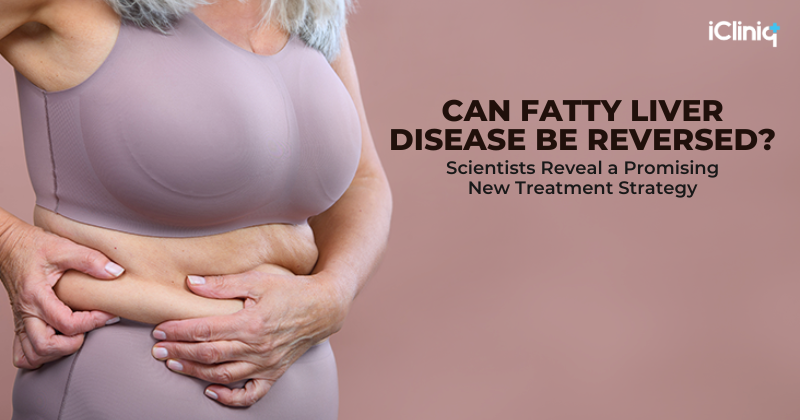
Fatty liver disease is becoming incredibly common. In fact, it's now one of the fastest-growing liver conditions across the globe. The tricky part is that many people don't even know they have it because the early stages usually don't cause obvious symptoms.
But the disease doesn't always stay mild.
Over time, fatty liver can progress to a more serious condition called metabolic dysfunction-associated steatohepatitis, or MASH. At this stage, the liver becomes inflamed and damaged. If left untreated, it may lead to scarring, liver failure, or even liver cancer.
Now, researchers think they may have found a completely different way to tackle the problem.
The Gut Was the Real Target
Most treatments for liver disease try to fix the liver itself.
This one doesn't.
Scientists at the University of Michigan tried to focus on the gut instead. Their experimental drug, DT-109, was made to repair the protective lining of the gut instead of the liver.
Why does that matter?
Because when the gut barrier becomes weak, harmful bacterial toxins can leak into the bloodstream. Once they reach the liver, they can trigger inflammation and make liver damage even worse.
Strengthening that barrier could stop the problem before it reaches the liver.
Good Bacteria, Bad Bacteria
The researchers noticed something else too.
The drug didn't just repair the gut lining. It also reduced the growth of certain harmful gut bacteria that produce excess ammonia. High ammonia levels can damage the intestinal barrier even further, creating a cycle that keeps feeding liver disease.
Breaking that cycle may be one of the reasons the treatment looked so promising.
Early Results Bring Hope
In animal studies, DT-109 appeared to reduce liver inflammation and improve signs of MASH.
That's encouraging.
Still, there's an important detail that shouldn't be overlooked. The treatment has only been tested in animals so far. Human studies are still needed before doctors know whether it is safe and effective for people.
The Gut and Liver Work as a Team
This research adds to something scientists have been discovering for years. The gut and the liver are much more connected than they once believed.
Looking after gut health isn't just about digestion anymore.
Eating a balanced diet, staying physically active, and getting regular check-ups remain some of the best ways to support both the gut and the liver. Gentle daily habits are still very important, although there are always new things being promoted as treatments.